about Mosquitoes

Africa, Latin America and Asia for that matter, have thriving populations of Mosquitoes;
and avoiding bites plays a key part in both the enjoyment of your trip and in avoiding things like Dengue Fever, Malaria,
Yellow Fever and some of the lesser known illnesses such as Rift Valley fever and West Nile virus - all of which are spread by infected Mosquitoes.
The world would probably be a better place without Mosquitoes (Mossies),
there are over 3,500 known species, but in fairness, only a tiny
percentage of them are dangerous and of those, only the females can
potentially pass on disease-causing viruses and parasites.
A Mossie 'bite' is not a bite in the way a dog or a cat might bite,
female mosquitoes (and it is only females) mouthparts are similar to a
long straw, adapted for the piercing of the skin, so a mossie
bite is more akin to being pricked with a needle to extract a tiny
amount of blood, the blood is needed as protein for the female to produce eggs.
A Mosquito is in fact a 'vector' or agent for a number of
diseases, i.e. it carries the infection from one host to another.
First a mosquito 'bites' an infected human/animal and draws its
blood (causing the mossie itself to become infected). Then, when
the mosquito bites (sucks blood) the next time, as it injects its saliva
into the wound (which is done to help the flow of blood out of the
victim) the infected saliva reaches the blood of the bitten person,
passing on the infection. So a mossie bite is only dangerous if the
mosquito is already infected with Dengue, Malaria or whatever.
There is no rocket-science involved in avoiding mosquito bites, but you
should know your enemy; You're most likely to be bitten at dusk (early
evening), when there is no wind and usually standing water
nearby, e.g. near a lake or after a heavy rainstorm (mosquitoes lay
their eggs on the surface of fresh or stagnant water).
Mosquitoes have poor eyesight, but have highly sensitive thermal
receptors which they use to locate blood near the surface of the skin
of their victim, given a choice, mossies will bite you in the ankle,
wrists, neck or on the back of your hands, i.e. the areas where your
blood is easily accessible - these are the key areas
that you need to cover-up and/or apply repellent.
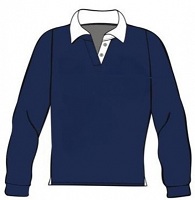
One of the most effective means to protect yourself is to wear suitable clothing,
i.e. cover-up. A good choice would be something
like a rugby shirt, i.e. with long sleeves, loose
fitting thick material (Mossies will bite through thin material
stretched over the skin). Wear the collar up to protect your neck
and leave the buttons undone to stay cool in warmer climes. There is good
evidence to suggest that mossies are attracted to perfume and to dark colours
- so avoid where possible.
Insect repellents are your second line of defence against mosquitoes; most top-end repellents have
DEET as their active ingredient (although there is a good non-toxic alternative, see below).
You can buy DEET-based repellents under various brand names and in various
concentrates. The higher the DEET concentrate, the longer lasting
protection you will receive, a repellent with ~50% DEET is fine for most
backpacking situations, but feel free to go for 100% if it makes you happy.
DEET works well, but the downside is that it's quite toxic, a
good alternative is Incognito
www.lessmosquito.com which
uses a natural formula with Citrepel 75 as its active ingredient,
I used Incognito with good effect in West
Africa in 2011; the clinical trials for Citrepel 75 were conducted in Bolivia,
so it's been proven in South America also. The advantage of
a natural product is that you can use it on young children and spray your head and face at night.
And generally use it without feeling the need to take a shower at the earliest available opportunity.
At night, don't attract Mosquitoes/insects into your room by having the
light on with doors/windows open, if you find that some mossies
have got in, switch the room light off and open the door, place
your headlight in the hallway or allow the lights in the hall to draw
out the insects towards the new light source, flap your arms like a
maniac to dislodge any insects that don't want to move, 5-10 minutes of
this should clear out your room. While you're at it, repair any window
meshing (fly screens) or any other 'holes' in the window frames with
Duct tape (Duct tape is great for general backpacker repairs).
Use a Mosquito net at night if you see or feel mosquitoes in the
air, I used a 'single dome' type (pictured) on my most recent trip,
which I used on top of my hostel bed. I chose this type because
many budget rooms don't have anywhere to attach a conventional net (they need to be hung from the ceiling). My single dome net worked OK most
of the time, but its not suitable for people who move around a lot during
their sleep and it did end up being pushed onto the floor
a few times.
Right now, of the current crop of backpackers mossie nets, I like the
SafeSleeper Mosquito net, I like the fact that it works indoors and outdoors,
for mossies, bed bugs, other mattress-based nasties - Recommended.
A final point to note is that mosquitoes go into hiding on windy days, during the mid-day heat or in strong
sunlight. They also don't like altitude, there is a 'Mosquito
Line' at about 2200 metres (7,200ft), above which you don't get mossies
or many other flying insects for that matter. If you are planning on staying
in a city for more than few days, e.g. to volunteer or learn a language,
you could do worse than choose a mossie-free city at ~2200m+ altitude,
there are plenty in Latin America, not quite so many in Africa/Asia.